 By admin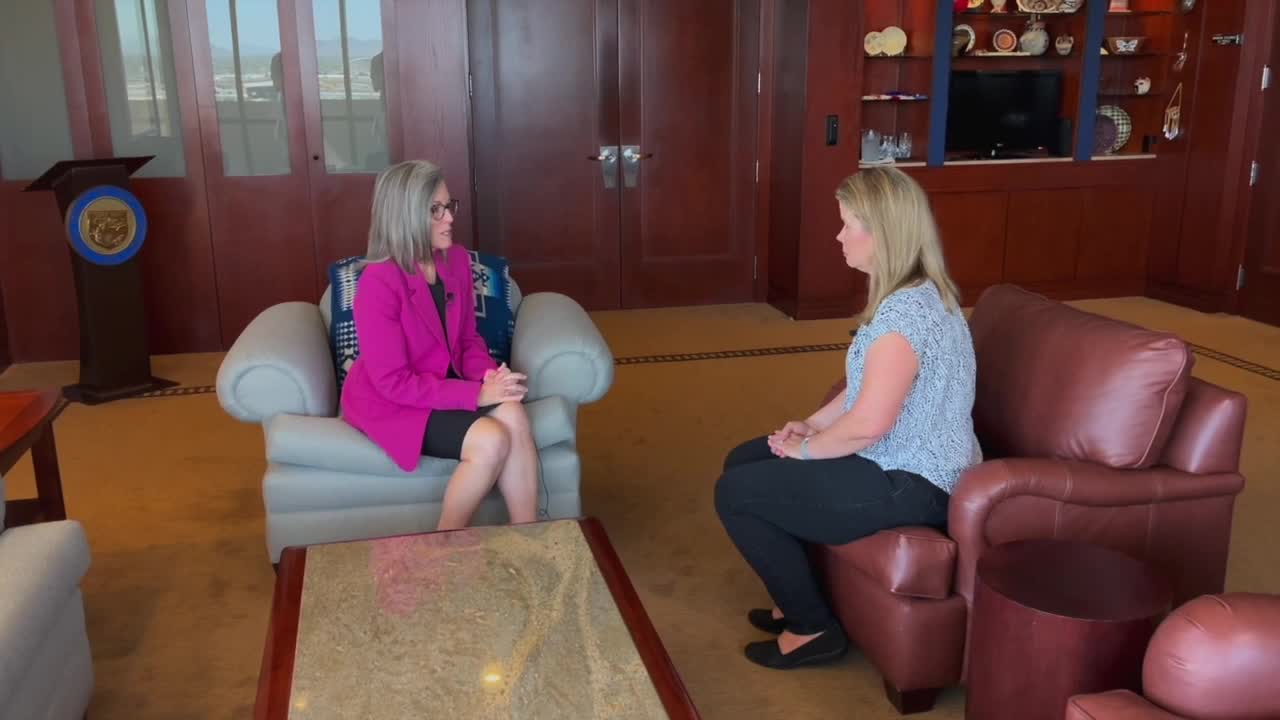
PHOENIX — Arizona enacted sweeping child welfare reforms this year, passing 13 new laws in response to the murders of three girls who had been involved in the foster care system.
Read more The best time to book a hotel to get the lowest price
The new laws implement reforms to the Arizona Department of Child Safety, strengthen the rights of foster kids, and work to prevent abuse allegations from falling through the cracks.
In 2025, the murders of Emily Pike, Zariah Dodd, and Rebekah Baptiste exposed failures in the child welfare system. Public outcry led to a focus on improvements in runaway prevention, sexual abuse, group home supervision, and abuse reporting.
“I can’t imagine what it’s like to be in foster care,” Gov. Katie Hobbs said.
Governor Katie Hobbs sat down for an exclusive interview with ABC15 on Tuesday to discuss the reforms she signed into law.
Watch the full interview in the player below:
Hobbs, a Democrat, said her policy decisions about foster children are influenced by some of her experiences as a social worker at an independent-living program.
“I was able to go home to my family and that was their home, and it’s not normal,” Hobbs said. “It’s our responsibility to make life for them as good as we can amid sometimes really bad circumstances.”
All the child welfare bills becoming law this year were sponsored by Republican legislators. They held a series of stakeholder meetings, and committee hearings about DCS were sometimes contentious.
Some of the new laws strengthen gaps in the child welfare safety net exposed after the deaths of Emily, Zariah and Rebekah.
SB 1125 requires DCS to share training and improve collaboration with tribal communities.
Read more Man seriously injured while allegedly tampering with equipment at Mesa SRP substation
SB 1174 ensures child abuse hotline workers can see past abuse reports and take those into consideration when deciding to refer the case for investigation.
SB 1631 says a child reported to be a victim of sexual abuse should receive a forensic interview within 72 hours.
“We often see legislation that tweaks around the edges,” Hobbs said. “I think this is the most comprehensive package of bills we’ve signed around the agency and their practices.”
Hobbs vetoed a proposal, HB 2611, which would have increased security measures at foster group homes and added more drug testing and training for employees. Foster kids living in group homes helped legislators draft that bill.
“A lot of other provisions in [HB] 2611 put really specific restrictions on group home activity – things that are already in the contracts with DCS and these group homes, or should be in the group home rules but not codified in law,” Hobbs said.
The governor did support a foster care bill of rights, which was originally part of HB 2611, but the language was also added to another bill, HB 1496, which she signed into law on Friday.
Here’s a list of all 13 DCS and child welfare laws approved during the 2026 legislative session and their sponsors:
Read more Senate passes war powers resolution, rebuking Trump’s intervention in Iran
- SB 1125 DCS; memorandum of understanding; tribes (Werner)
- SB 1126 DCS caseworkers; schools; required disclosures (Werner)
- SB 1127 Duty to report; abuse; neglect (Werner)
- SB 1174 DCS; intake hotline; case history (Werner)
- SB1416 Missing; kidnapped children; reporting requirements (Bolick)
- SB 1496 DCS; policies; procedures (Werner)
- SB 1631 DCS; sexual abuse allegations; interviews (Werner)
- SB 1821 DCS; training; child placement; management (Farnsworth)
- HB 2041 Child neglect; financial resources; exception (Fink)
- HB 2321 DCS; credit freeze; reporting (Gress)
- HB 2661 Parents’ rights; guardianship; notice (Fink)
- HB 4042 Termination, parent-child relationship; services (Weninger)
- HB 2035 DCS; kinship care placement; requirement (Fink)