 By admin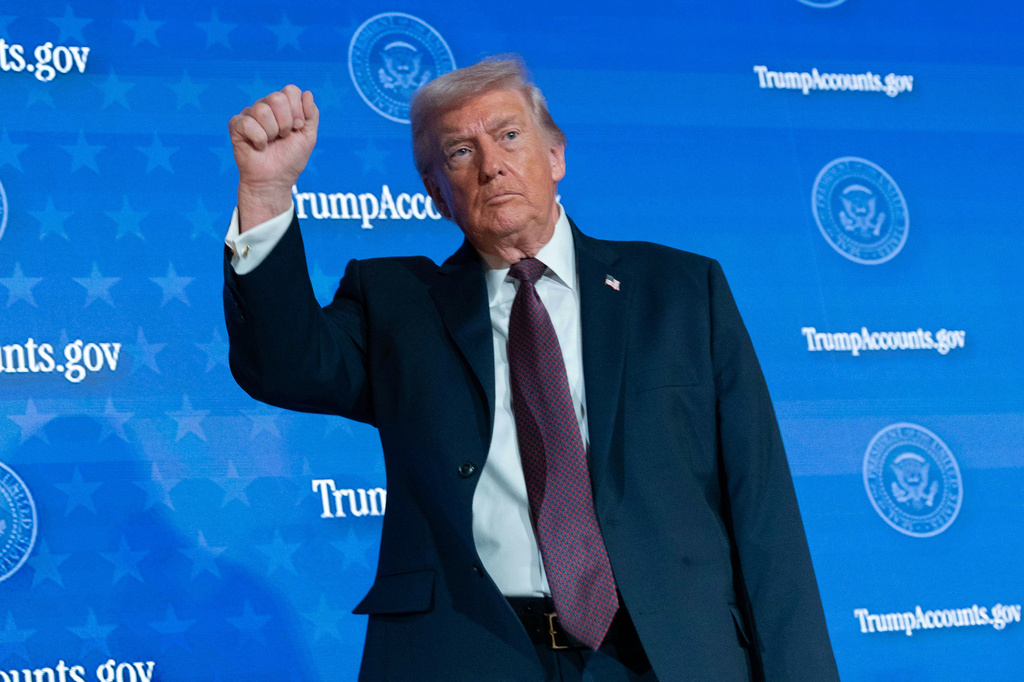
Parents can begin contributing to Trump Accounts on July 4, with eligible children receiving a $1,000 government deposit to jumpstart their savings.
About 6 million children are already signed up for Trump Accounts, but many more are still eligible for the program. Starting July 4, families can officially begin contributing money to the accounts as one way to invest in their child’s future.
Trump Accounts — also known as 530A accounts — are a new federal program created by the One Big Beautiful Bill. Earlier this year, President Donald Trump said the accounts give kids a financial head start.
“With every modest contribution, Trump Accounts should reach at least $50,000 in value by the time the child turns 18,” Trump said during a January summit.
Withdrawals aren’t allowed until the calendar year a child turns 18.
“Let’s call it a vaulted piggy bank up until the age of 18,” said David Perez, founder of Tax Maverick. “After 18, you can withdraw the funds, but you are subject to early withdrawal penalties and ordinary income tax rates.”
Read more June jobs report shows slower hiring, higher long-term unemployment
Who qualifies?
Any child under 18 with a Social Security number can have an account opened in their name. However, only children born between 2025 and 2028 will receive a $1,000 credit.
Others in qualifying ZIP codes may receive $250 from the Michael and Susan Dell Foundation.
RELATED STORY | Trump accounts: What parents need to know about the new savings program
Parents who did not sign up while filing their tax return this year can still complete Form 4547 to elect their child or follow the steps at TrumpAccounts.gov.
How much can you contribute?
Contributions aren’t required, but they help the account grow. Parents can put in up to $5,000 a year per child, “And that would seed you about $3 million at the age of retirement,” Perez said.
Employers can also make yearly contributions of $2,500 to Trump Accounts belonging to employees and their children. If your employer opts to make contributions as an employee benefit, it’s something to think about, even if your child doesn’t qualify for the initial $1,000 credit.
“That would be a reason to have a Trump Account kind of established and hanging out,” said Kate Ashford, lead wealth writer for NerdWallet. “But businesses will have to wholeheartedly jump into that trend.”
How do Trump Accounts compare to other savings options?
Ashford said Trump Accounts are similar to traditional IRAs, but you don’t need earned income to open one. One disadvantage, she said, is that there’s no tax deduction for contributing.
“If you are saving for college, a 529 plan has a lot more tax advantages. A Roth IRA for retirement if your child has earned income – an investment account in general – you have more investment choices,” Ashford said.
If your child qualifies for the seed money, Ashford says it’s worth doing.
“If the government is going to give you $1,000 free and clear, take the money. Invest it. It’s nice that it gets to grow for 18 years before anyone can do anything to it,” Ashford said.
Read more Cave Creek water crews working to repair clog; residents asked to conserve
What happens when your child turns 18?
Starting the year the child turns 18, the account transfers entirely to them. The account is subject to most of the same contribution and withdrawal rules that govern traditional IRAs.
Once a child turns 18, Perez suggests converting the account into a Roth IRA for a tax-free retirement.
RELATED STORY | ‘Trump Accounts’ for kids: How the program works and when it begins
“You are going to pay a tax on the conversion at age 18, but it’s going to be the lowest tax rate because most 18-year-olds don’t pay high taxes,” Perez said.
Experts agree that investing early pays off, and $1,000 is a solid start. There are also plenty of other investment options to explore based on your family’s goals.
Read more Civil rights lawsuit filed against Buckeye officer seen in video hitting pregnant woman