 By admin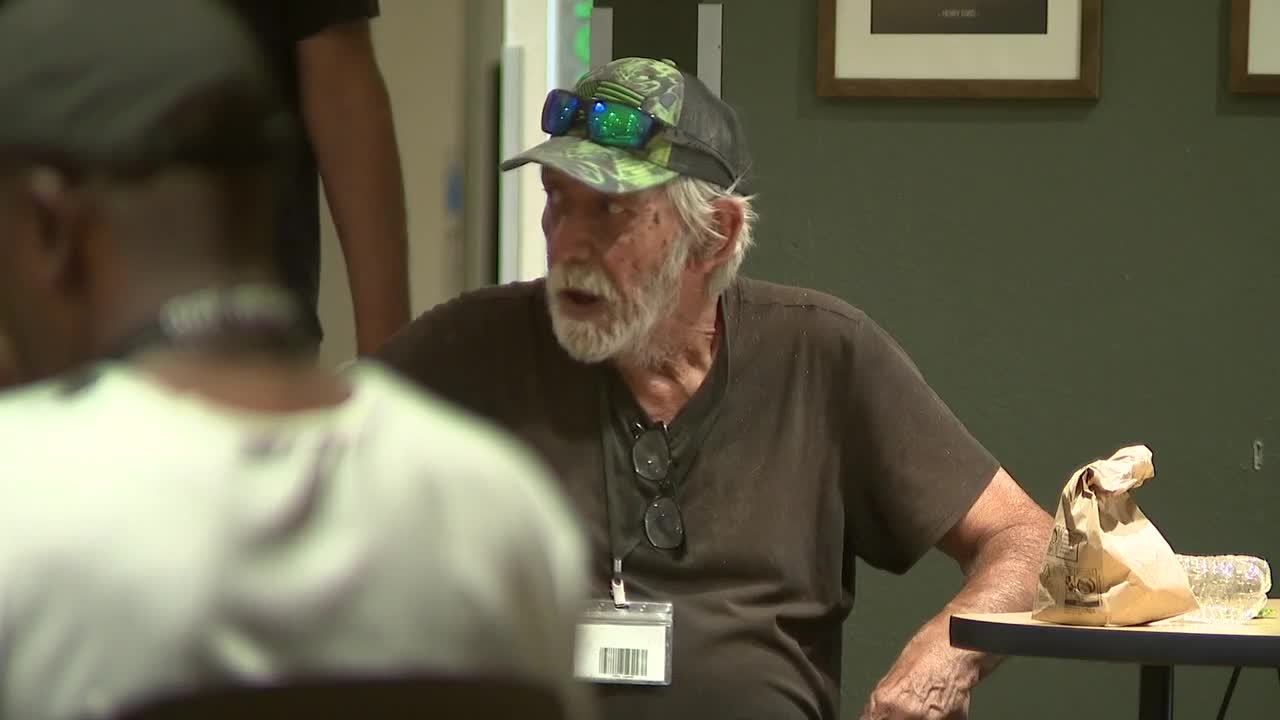
Senior residents are among the most at-risk during extreme heat in Maricopa County, leading last year’s indoor heat deaths and making up nearly half of outdoor heat deaths.
Read more Calls for Arizona state officials to add A/C to all prison units
Maricopa County’s 2025 heat death report found that people 50 and older made up 48% of outdoor heat-related deaths and 90% of indoor heat deaths.
Organizations like the Justa Center are working to address those risks, specializing in getting elderly and vulnerable people back on track by providing meals, showers and other connections to services for housing, mental health and substance use recovery.
Rudy Soliz, the center’s director of operations, knows firsthand what it means to need that help.
“I lived this. I sat in this dining room, I ate the meals they ate, I used the showers they had,” Soliz said. “This place helped me, and that’s all I want to do back is help somebody else.”
He said many elderly people end up at the Justa Center due to the cost-of-living crisis, mental health challenges and other issues.
“All the sudden, you find out my money only gave me $900 a month to live on, that you can’t live on that,” Soliz said.
During extreme heat, seniors face serious health risks that compound existing conditions, like medication.
Dean Scheinert, the Justa Center’s executive director, said the dangers go beyond dehydration.
Read more MOST ACCURATE FORECAST: Extreme Heat Warning now through Friday in the Valley
“Malnutrition, a lot of them suffer from dementia, and the heat just exacerbates all those conditions,” Scheinert said.
Scheinert said the population the center serves requires a level of care many organizations are not equipped to provide.
“Our members are the most vulnerable members of our community, and they require a very high-touch approach, and a lot of other organizations are just not equipped to provide that kind of care,” Scheinert said.
For seniors receiving in-home care, caregivers are often the first line of defense in life-threatening heat.
Steve Alfonsi with the Arizona In-Home Care Association said in-person check-ins are critical when air conditioners fail or when cognitive decline and temperature regulation issues make Arizona summers especially dangerous.
“They might sound okay on the phone, but it’s very important to get eyes on them to make sure that ultimately they’re staying hydrated and they are safe,” Alfonsi said. “I can recall multiple times where our caregivers have arrived, and ultimately only to find out that the individual, being that elderly individual, has not been drinking their water. They were dizzy, they had nausea.”
Arizona does not license non-medical in-home caregivers, which, Alfonsi said, makes it especially important to ensure a reputable person is checking in on loved ones. His association sets standards and best use practices for its member companies.
This story was reported on-air by a journalist and has been converted to this platform with the assistance of AI. Our editorial team verifies all reporting on all platforms for fairness and accuracy.
Read more Two hurt, one detained after shooting at Mesa home early Tuesday morning